![]()
![]()
![]()

Arsenal Government School
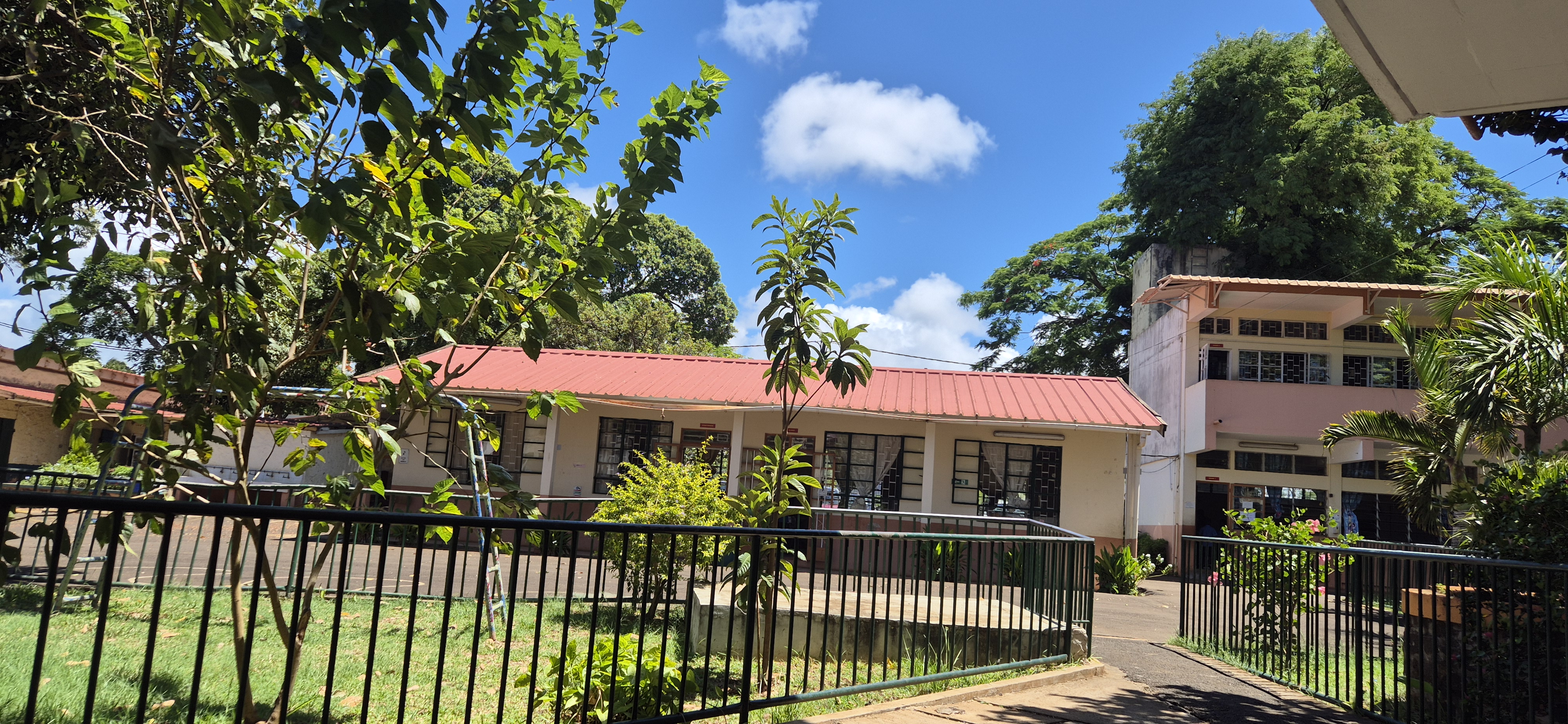
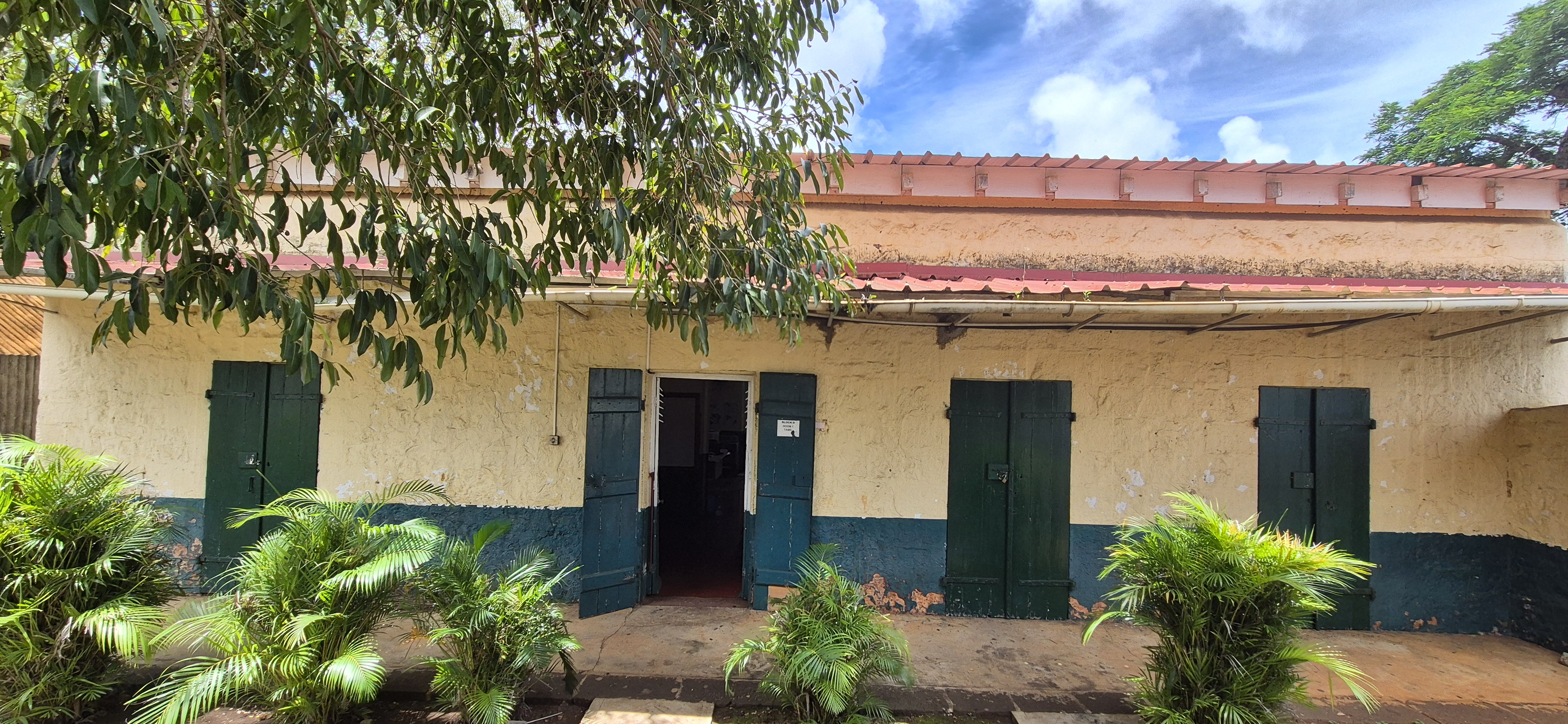
Arsenal Government School is located in Arsenal village, in the district of Pamplemousses, Mauritius. It was founded in 1922. In 1855, the building was used as a military hospital. It was used to cure injured soldiers. This place was also used as a quarter for hospital administrators. Moreover, gunpowder which was produced was also transferred here. The land on which the school stands was originally part of an agricultural estate where sugarcane was cultivated. The name Arsenal comes from the word “arsenal," which means a place where weapons, ammunition, or military equipment are stored or manufactured.
Why the Village of Arsenal Is Called Arsenal?
In Mauritius, the village of Arsenal (in the district of Pamplemousses) is believed to have received its name during the French colonial period. During that time The area was used as a storage and supply point for military or naval equipment
- Weapons and materials were reportedly kept there to support defence and security operations on the island. The location was strategic, being close to Port Louis, the main harbour. As a result, the area became known as “l'Arsenal", and the name remained even after military activities stopped.
The Name Arsenal Today
Today, the name Arsenal no longer has a military meaning in everyday life. Instead, it represents A residential village. A centre for education, including Arsenal Government School. A symbol of how places in Mauritius have evolved from colonial functions to peaceful community use The name reflects the island's colonial history and shows how historical names can survive long after their original purpose has disappeared.
Link to Arsenal Government School
Arsenal Government School takes its name from the village of Arsenal, not from any military function of the school itself. The school represents a shift from the area's historical past to a focus on learning, development, and opportunity for children.
Background of Parents
Parents of pupils attending Arsenal Government School generally come from the local Arsenal and surrounding villages. Their backgrounds reflect the socio-economic profile of the area. Common parental occupations include:
-
 Factory and manual workers (especially in sugar, textile, and manufacturing sectors)
 - Skilled and semi-skilled laborers (electricians, mechanics, drivers)
- Public sector employees (clerks, attendants, cleaners)
- Small business owners and self-employed workers
Many parents belong to the working-class and lower-middle-income groups. Household incomes are usually modest, with some families depending partly on government social assistance or child support benefits.
Background of Pupils
Pupils attending Arsenal Government School typically :
come from working-class families,
live within walking distance or short commutes from the school.
Are raised in households that value education as a path to social mobility
Some pupils may face challenges such as :
Limited access to private tuition,
Crowded living conditions,
Parents with limited formal education.
Despite this, many pupils are motivated and benefit from government-provided resources, including free textbooks, bread and bus (where applicable).
Role of the School in the Community
Arsenal Government School plays an important role as:
- A pillar of the local community
- A provider of equal educational opportunity
- A safe and structured environment for children
The school not only delivers academic education but also supports pupils' social development, discipline, and civic values, which are central goals of the Mauritian education system.
Resilience and Triumph: The Arsenal GS PSAC Success Story 
A Journey of Determination
Our pupils have proven that where there is a will, there is a path to success. Through unwavering determination, consistent effort, and the expert guidance of their educators, our students have successfully completed their primary education at Arsenal Government School, ready to embrace the challenges of secondary education.
Over the past few years, the school has witnessed a remarkable evolution in our Primary School Achievement Certificate (PSAC) success rates. In the 2021/2022 academic year, we achieved a pass rate of 63%. Motivated to aim even higher, the school implemented innovative teaching and learning strategies, including the creation of a specialized teaching-aid pool, collaborative teaching methods, and personalized coaching for individual students.
Turning Challenges into Strength
By 2023, these efforts saw our pass rate rise to 68%. While this improvement was encouraging, the following year presented a significant challenge. In 2024, a sudden downturn led to a pass rate of 45%. However, this setback did not dampen our spirit. Instead, it fueled our resolve. With the collective support of parents, educators, and the entire Arsenal GS team, we moved forward with renewed vigour and enthusiasm.
Celebrating the Class of 2025
The PSAC 2025 results stand as a powerful testament to the discipline, perseverance, and determination of our pupils. These students were expertly guided by Mrs. D. Lalloo, a dedicated class teacher, with the invaluable support of our teacher, Mrs. Domee. We are particularly proud to highlight the outstanding performance in Asian Languages with an excellent pass rate : Hindi: 90% and Kreol Morisien: 91% . The passion and care provided by Miss R. Purmah and Mrs. S. Bergue were the essential ingredients that allowed our pupils to excel.
Beyond the Numbers
As we celebrate these academic milestones, we must remember that success is not defined solely by the ability to read, write, and count. True education is about lifelong skills—possessing strong values and becoming effective problem solvers. While PSAC accomplishments may vary from year to year, our core mission remains steadfast: we are committed to shaping our pupils into responsible citizens of Mauritius. Our goal is to ensure they acquire optimum learning experiences within a safe, supportive, and conducive environment.
“Success is not just about learning to read, write, and count; it is about acquiring the lifelong values and problem-solving skills needed for the future."